
The Allure of Casino Games
Casino games are designed to be captivating, drawing players into a world of excitement and potential rewards. The combination of bright lights, enticing sounds, and the thrill of uncertainty creates an immersive environment that can be difficult to resist. Psychologically, the allure of winning big reinforces behavior; the sporadic nature of rewards keeps players coming back for more, tapping into the brain’s reward system. Each time a player engages with a game, they experience a rush of adrenaline, promoting a cycle of engagement that can be difficult to break. In this context, exploring a crypto casino can provide a unique perspective on modern gambling trends.
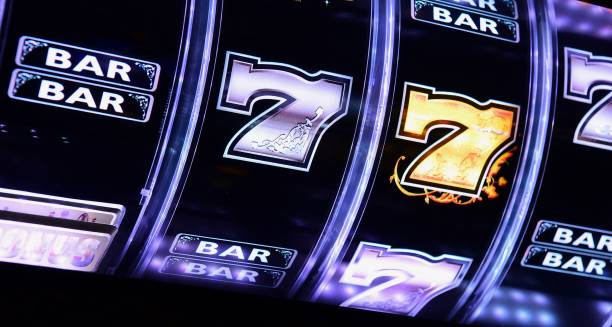
This attraction is further amplified by the social aspects of gambling. Many players seek a community experience, enjoying the camaraderie found in crowded tables or bustling slot areas. The interaction can heighten excitement, making losses feel less significant and wins feel even more jubilant. Ultimately, the design and atmosphere of casinos expertly manipulate psychological triggers to enhance the gaming experience.
The Role of Risk and Reward
At the heart of casino games lies the psychological concept of risk versus reward. Players are often drawn to the possibility of winning substantial amounts with relatively small stakes. This tension is manipulated through game structures, often creating a sense of urgency that compels players to take risks. The presence of ‘near misses’—where players come close to winning but ultimately do not—can serve to further entice players, making them feel that a win is just around the corner. Understanding the implications of these measures can be crucial for players hoping to maintain control over their gambling activities.
Moreover, cognitive biases, such as the gambler’s fallacy, play a significant role in player behavior. Many players believe that past outcomes can influence future results, leading them to make irrational bets based on perceived patterns. This belief can create a cycle of chasing losses, where players continue to gamble in hopes of recovering their previous stakes, ultimately driving them deeper into gambling behavior.
The Impact of Environment on Gambling Behavior
The casino environment is meticulously crafted to encourage prolonged play. Factors such as layout, lighting, and even music work together to create an environment that keeps players engaged. For instance, casinos often forego clocks and windows, disorienting players and preventing them from leaving. The sensory stimulation of colorful machines and lively sounds creates a euphoric atmosphere that can cloud judgment and prolong play sessions.
Additionally, the design of individual games can influence behavior. Games that offer rapid play and interactive features can lead players to lose track of time and money. This aspect of environment design takes advantage of the human tendency to focus on immediate rewards, reinforcing the cycle of gambling and investment in the experience.
The Psychological Effects of Winning and Losing
Winning in a casino can lead to euphoric feelings, but the psychological impacts of losing can be just as significant. Wins can boost self-esteem and create a sense of mastery, compelling players to return in hopes of replicating their success. Conversely, losses can lead to feelings of frustration and regret, sometimes leading to an emotional response that propels further gambling as players attempt to “win back” lost money.
This emotional rollercoaster is a significant factor influencing gambling behavior. The highs of winning and the lows of losing can create a persistent cycle that traps players in a pattern of behavior that is difficult to escape. Understanding this duality is essential for recognizing the psychological stakes involved in gambling activities.

A Resource for Understanding Gambling Psychology
This article serves to shed light on the intricate relationship between psychology and casino gaming. By exploring the factors that influence player behavior, we can gain a clearer understanding of why many are drawn to the allure of casinos despite the inherent risks involved. As the field of gambling psychology evolves, it becomes increasingly important to educate individuals about these dynamics to foster healthier gambling habits.
For those interested in delving deeper into these concepts, the accompanying educational platform provides valuable resources. With an emphasis on understanding language and communication, it offers insights into various topics, including the psychological aspects of gaming. Such resources can aid individuals in developing their understanding of not only gambling but also broader behavioral tendencies.